


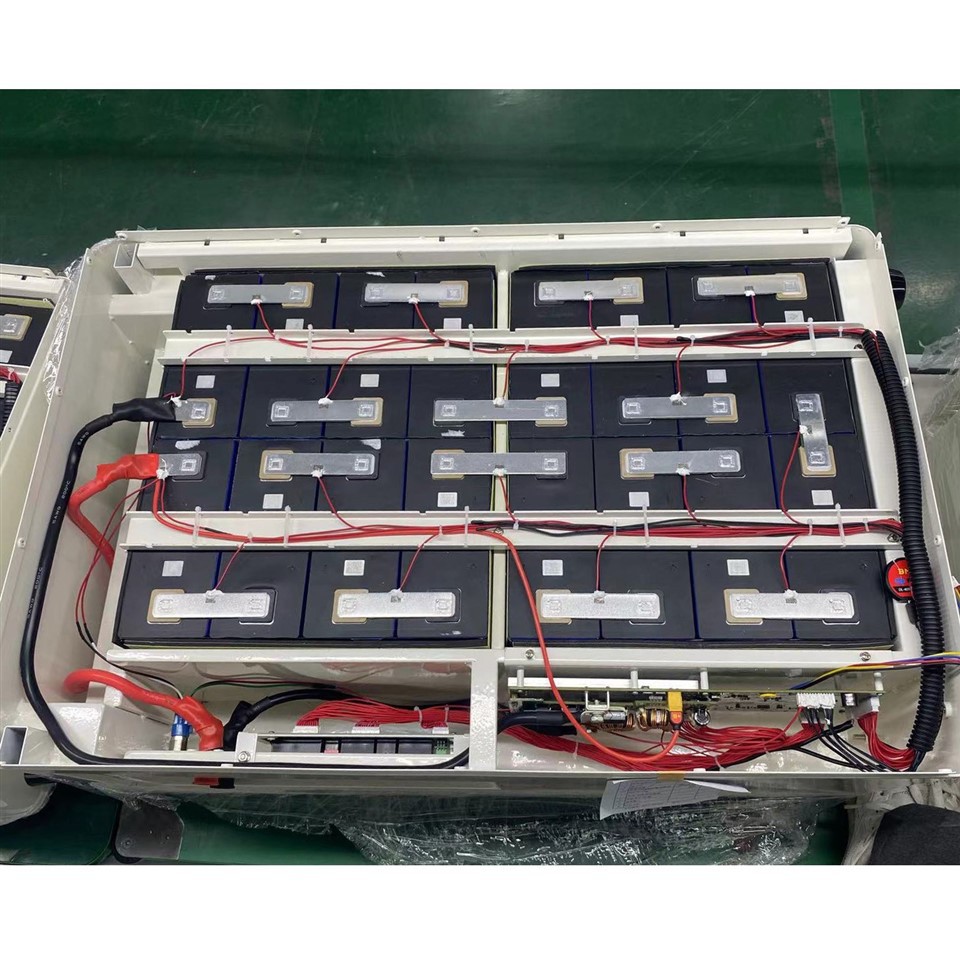
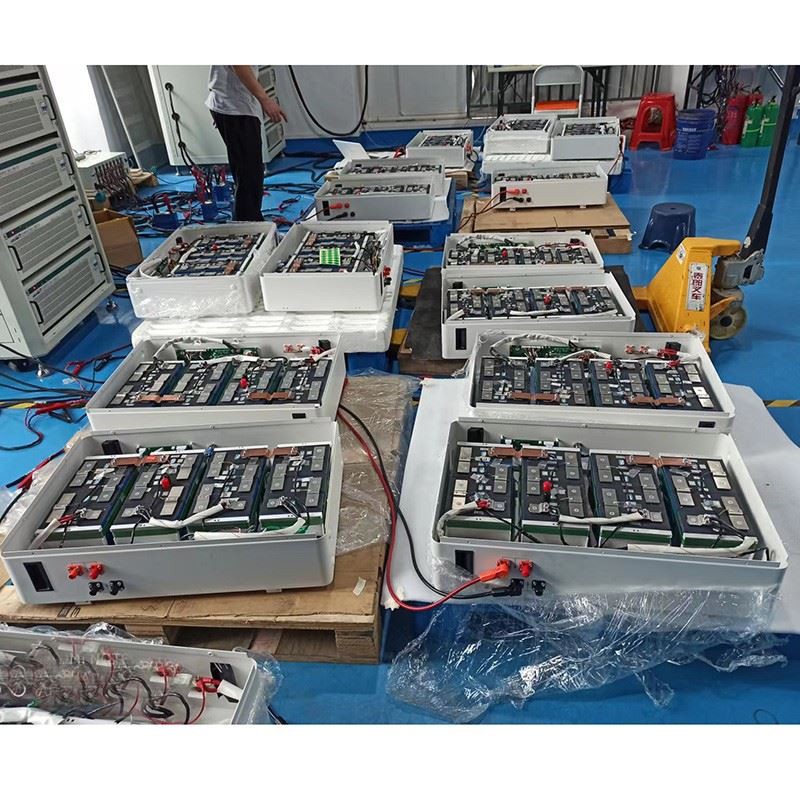
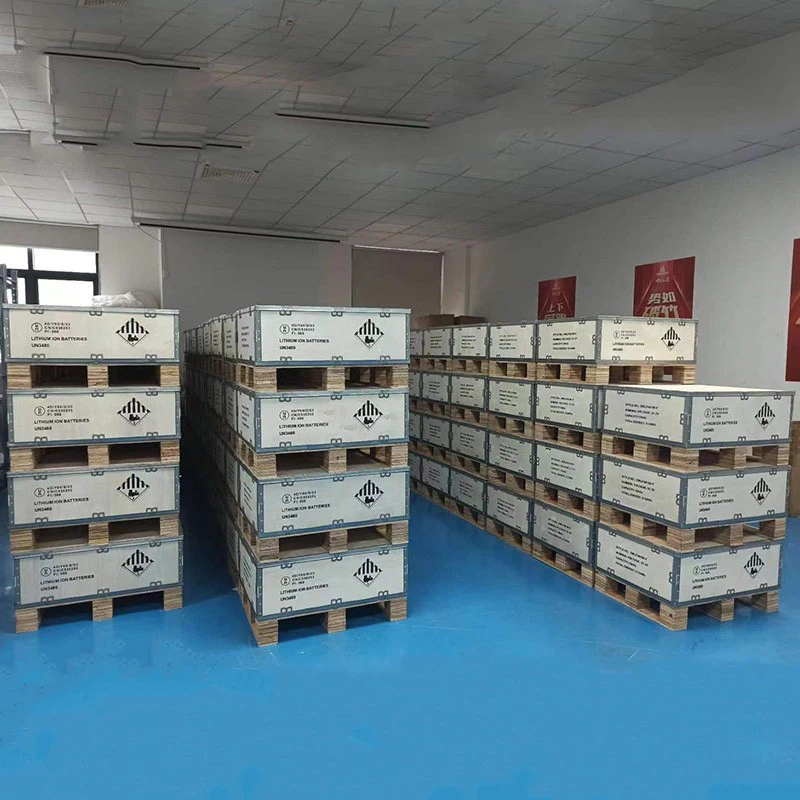
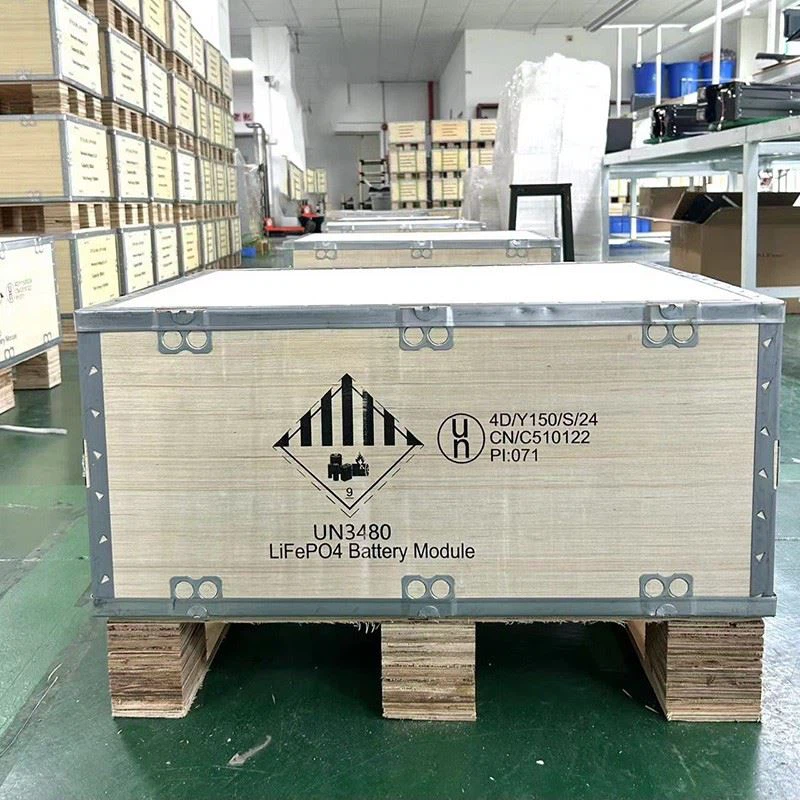


Products Description
Lithium-ion cells are a leading-edge power technology known for their compact size, high energy density, and impressive longevity. They offer rapid charge capabilities and minimal self-discharge, making them ideal for portable electronics, electric vehicles, and renewable energy systems. With built-in safety features to prevent overcharge and short-circuits, these batteries provide reliable performance across a multitude of applications. As a key component of modern energy solutions, lithium-ion batteries continue to advance with ongoing innovations in chemistry and design, ensuring a sustainable and efficient energy future.

Products Parameters
The parameters are different from the cells system. solar energy systems are characterized by several key parameters that define their performance and suitability for various applications.

Products Application
1.Safety First: Always follow safety guidelines and use appropriate protective gear when handling lithium-ion batteries.
2.Inspect the Battery: Check the battery for any visible damage or defects before installation.
3.Proper Placement: Securely position the battery in the designated area, ensuring it is well-ventilated to prevent overheating.
4.Correct Connections: Attach the battery terminals to the device, ensuring the correct polarity (positive to positive, negative to negative) and that the connections are secure.
5.Use Appropriate Wires: Select the right gauge of wire that can handle the current the battery will supply.
6.Install Protective Devices: Incorporate fuses or circuit breakers to safeguard against overcurrent conditions.
7.Test the System: After installation, test the battery to confirm it charges and discharges correctly.
8.Monitor Performance: Regularly check the battery and its connections for any signs of wear or damage.
9.Dispose Responsibly: At the end of the battery's life, recycle or dispose of it according to local regulations to minimize environmental impact.

FAQ
Q: How should I store lithium-ion batteries if I'm not using them for a long time?
A: When storing lithium-ion batteries for an extended period, it's important to store them in a cool, dry place. The battery should be charged to around 40-60% of its capacity, as storing a lithium-ion battery fully charged or completely discharged can degrade its lifespan.
Q: Can I dispose of lithium-ion batteries in regular trash?
A: No, lithium-ion batteries should not be disposed of in regular trash due to their potential environmental impact and safety concerns. They should be recycled at a designated recycling facility or dropped off at a battery recycling program.
Q: How do I know if a lithium-ion battery is damaged?
A: Signs of a damaged lithium-ion battery can include visible cracks or swelling, leakage of electrolyte, an unusual smell, or a battery that becomes hot to the touch. If you suspect a battery is damaged, stop using it immediately and dispose of it properly.
Q: What is the difference between the nominal voltage and the charged voltage of a lithium-ion battery?
A: The nominal voltage of a lithium-ion battery is the voltage at which it operates under normal conditions, typically around 3.7V. The charged voltage is the voltage the battery reaches when it is fully charged, which is usually around 4.2V for a standard lithium-ion cell.
Contact us
If you are interested in our product please contact us via yan@bristarxm.com
Hot Tags: portable power energy storage system, China, suppliers, manufacturers, factory, wholesale, customized, sample, in stock